
Latest Updates on Safety Technology and Engineering Applications
Latest Updates on Safety Technology and Engineering Applications


A self-locking device can only provide dependable protection when it is used correctly. In many cases, safety problems are not caused by the product itself, but by incorrect installation, poor inspection, or improper system matching.
One common mistake is using the device with the wrong lifeline. Every product is designed for a specific rope or cable type and diameter range. If the lifeline does not match the requirement, the device may not move or lock properly.
Another common problem is installing the device in the wrong direction. Many self-locking devices are directional, which means they must face the correct way to work as intended. If installed upside down or reversed, the locking action may be affected.
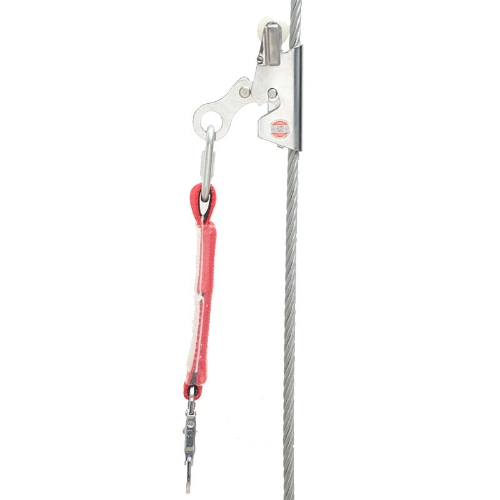
Skipping inspection is also risky. Before use, workers should check the device for wear, deformation, corrosion, contamination, and damage to moving parts. A product that shows visible damage or abnormal function should be removed from service immediately.
Some users also assume that any self-locking device will work in any fall protection system. In reality, system compatibility is essential. The device must work correctly with the harness, connector, lifeline, and anchorage arrangement.
Training is equally important. Workers should understand how the device moves, how it should be installed, and what warning signs to look for during use. Correct selection and correct use always go together.